PH2 Micro Robot
Deception PointThe PH2 microbot is a one-centimeter, remotely controlled surveillance robot that Delta Force uses to observe and listen without entering the place under watch. During the team’s ten-day vigil over a remote structure, the device slips inside, records a conversation among its occupants, and returns to a concealed charging spot. Elsewhere in the account, similar microbots serve in covert operations ranging from lethal intervention to monitoring a senator’s private meetings, making the PH2 both a technical instrument and a sign of intelligence work conducted at a distance from oversight.
Design and operation
Delta-One calls the microbot a “fly on the wall” surveillance tool. Its form is based on biomimicry: the PH2 imitates a miniature dragonfly, using two pairs of transparent, hinged silicon-leaf wings to maneuver through the air. At one centimeter long, it is roughly mosquito-sized, small enough to enter a building and move through a large room without drawing notice.
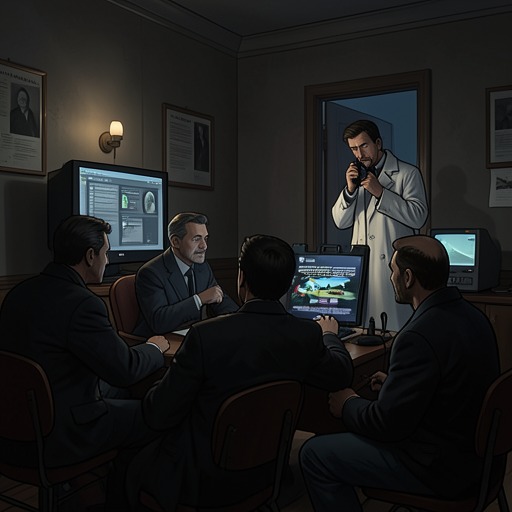
The robot carries a pinpoint camera, and its operators control it remotely with a joystick and receive a live video transmission. For sound, they activate its sensors, orient a parabolic amplifier, and lower the device toward the people being monitored. The system turns a concealed machine into an extension of its operators’ sight and hearing: Delta-Two can guide it from a laptop screen while Delta-One interprets what it captures.
Recharging is part of the design’s usefulness for surveillance. Rather than needing to remain beneath a bright light, the newer microbot can recharge within inches of a magnetic field. Power outlets, monitors, motors, speakers, and cellphones offer discreet opportunities to replenish its cells. In the operation at the structure, the PH2 has transmitted for more than a week before Delta-Two parks it near an electric generator, where it immediately begins recharging for another mission.
The operation inside the structure
Delta Force has watched the structure for ten days, monitoring it from a tent a thousand meters away. When Delta-One decides it is time to conduct a flyby, Delta-Two switches on a laptop, takes hold of the mechanical joystick, and sends the hidden robot into action. The device is already concealed inside the building, where it springs to life and begins transmitting images to the team.
Inside the structure’s vast central room, the PH2 circles above technicians, scientists, and specialists who do not know they are being watched. Delta-One recognizes two scientists in conversation and directs Delta-Two to bring the robot lower and listen. The transmitted sound is faint but clear enough to catch one speaker’s excitement about witnessing something extraordinary and the other’s agreement. Delta-One takes this as confirmation that events inside are proceeding as expected. Delta-Two then guides the microbot away and returns it to its hiding place, leaving it to recharge undetected.
The exchange gives the team an indirect view of the operation rather than access to the underlying facts. The device can establish that the people inside are excited and that their work appears to be advancing, but the scene does not disclose to the operators what the discovery is. Its surveillance is precise in the sensory sense and limited in the interpretive one: the robot carries evidence, while the human operators must decide what that evidence means.
A tool of covert power
The PH2 belongs to a mission culture in which Delta Force operations are classified at the highest level and soldiers are expected to remain silent once a mission ends. The current assignment is unusual even by Delta-One’s standards. Its briefing has been delivered through secure electronic channels, and he has never met the controller responsible for the operation. He and his partners are told to remain hidden, monitor the structure inside and out, and report unexpected developments. The microbot makes that remote surveillance possible, but it does not make the chain of authority transparent.
Delta-One’s past missions establish the range of purposes to which the technology can be put. In one operation, the team used a flying microbot fitted with a hairline titanium needle and a potent vasoconstrictor to cause a South American drug lord’s death to appear natural. Delta-Two piloted it into the man’s house and bedroom while he slept; the team was already leaving by the time his wife called for medical help. The narrative’s clipped account presents the operation as an example of the team’s efficiency, while also showing that the same unobtrusive access that enables observation can facilitate killing without a break-in or an openly violent encounter.
In another mission, a microbot stationed inside a prominent senator’s office recorded images of a sexual encounter during a monitoring operation. The Delta team gave that assignment a joking nickname, treating intimate surveillance as another instance of insertion behind enemy lines. These examples broaden the PH2’s significance beyond the structure it watches: the technology can gather political intelligence as readily as it can support a covert attack, and those uses are protected by the same secrecy surrounding the unit’s orders.
Narrative significance
The microbot’s smallness creates an imbalance between what can be observed and what can be known. It places Delta-One’s team in the position of unseen witnesses, able to watch people who have no way to recognize the source of the scrutiny. Yet its feed does not dissolve uncertainty: a few audible remarks can reassure the team that a plan is on course without telling them what the occupants believe or what their excitement means. Surveillance supplies access, not full understanding.
That limitation resonates with the mission’s obscured command structure. Delta-One is a highly experienced operator, but he has received a faceless briefing and does not know the controller in person. The robot can be directed with a joystick; the purpose of the assignment and the identity of the authority behind it remain beyond the operators’ immediate view. The PH2 therefore embodies a broader tension in the story between technical reach and accountable knowledge: it allows power to act unseen, while leaving both the observed and the observers with only partial control over what the information will be used to do.